Home / Return to Work Rehabilitation
Return-to-work rehabilitation · Epping
Return-to-work rehabilitation in Epping
Discuss the movements, duties and confidence you need for work, then build a plan around your assessment and current capacity.
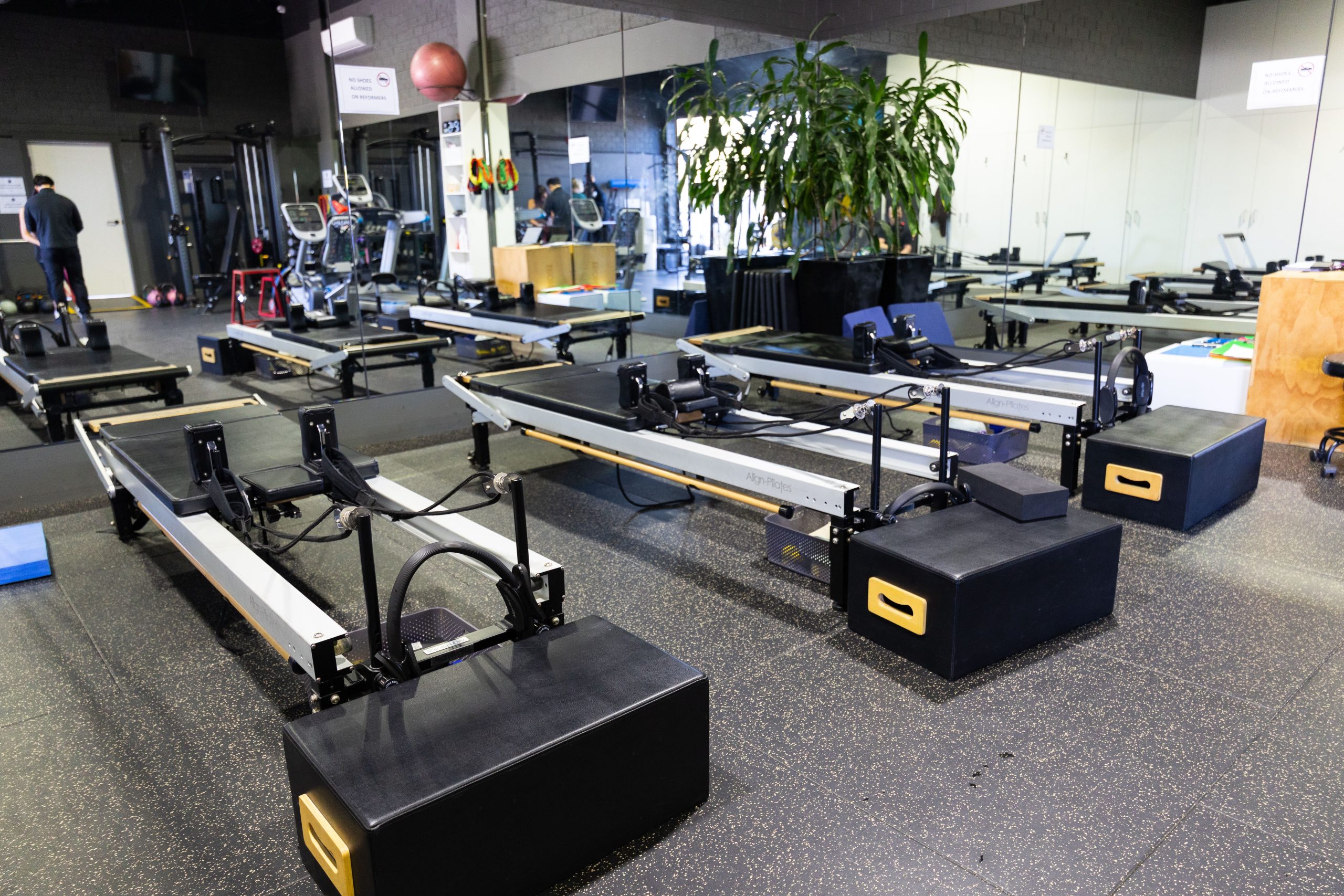
What modified duties can look like
A warehouse worker recovering from a back injury might start with stock checking while their usual work involves lifting stock from floor to shelf. At a review, the clinician asks how the shift went and checks the movements that matter for the proposed duties. The team can use that information to discuss whether any duties are ready to change.
Your employer coordinates suitable duties. Your treating clinician can assess function, and an eligible practitioner can document capacity and restrictions on a Certificate of Capacity. Bring your current certificate, the proposed roster and two or three tasks you need to discuss.
Bring a description of your shift
Choose three examples: a typical lift, the time you spend on your feet and one duty you are unsure about. Check who can issue or renew your certificate of capacity.
A job title rarely tells the whole story. The weight you lift, the time you spend sitting or standing, the pace of a shift and the opportunity to change tasks all matter. Bring a description of your usual duties and any proposed suitable duties to your appointment.
Your clinician can discuss these demands alongside your symptoms, assessment and current medical advice. A rehabilitation plan should have practical goals that can be reviewed, rather than rely on an assumed recovery deadline.
What we work through with you
- Understand the starting point. Review the injury, current restrictions, daily function and the tasks you find difficult.
- Agree on meaningful goals. Identify what you want to be able to do and how progress will be reviewed.
- Build suitable activity. Treatment, education and exercise may form part of your plan, depending on assessment.
- Review and communicate. Adjust the plan as your circumstances change and coordinate relevant information with your treating team, with your consent.
To prepare for a review, read how injury rehabilitation progress is reviewed, including questions about goals, measures and the next step.
Working with the people involved
Returning to work may involve your GP, employer, insurer and other rehabilitation providers. Their roles are different. Treatment here does not automatically establish work clearance, claim acceptance or an approved return-to-work arrangement.
Bring your current Certificate of Capacity if you have one and tell us about any restrictions or advice already in place. Your clinician can explain which reports or discussions fall within their role.
Support across different job demands
We see people whose work involves manual handling, driving, desk-based tasks, caring, retail and other demands. Our workplace injury guide explains what information can make an appointment more useful.
Gym-based rehabilitation and exercise physiology may be considered alongside other appropriate care. Suitability and funding must be checked individually.
Booking with a claim
Have your claim number, insurer or agent details and relevant referral ready. Reception can explain appointment arrangements and any fees. Read our WorkCover guide or TAC guide for the next steps.
Take the next step.
Speak with reception about the right appointment, current availability and anything you need to prepare.